The Karma Cola Foundation
Karma is baked into the company. One per cent of revenue goes directly to the people whose cola is in the drink, forever.
Most ethical commitments in business come later — once revenue is settled, once a foundation can be afforded. Karma was the other way round. The Karma Cola Foundation was constituted before we'd sold a can. One per cent of revenue, in perpetuity, going to the cola-growing communities of Sierra Leone whose nut makes the drink possible. Structural, not philanthropic.
Sierra Leone in 2010 was still rebuilding from a brutal ten-year civil war. The cola nut grows in commercial volume in and around the village of Boma, in the Barri Chiefdom on the edge of the Gola Rainforest — and historically the value of every kilogram left the country with the export. The Foundation exists to redirect a small but compounding share back to the eight villages and roughly two thousand people who supply us. Fifteen years on, the work looks like a bridge, classrooms with a teacher, women running their own shops, a protected wildlife reserve on Tiwai Island. Not a campaign. Not a CSR line item.
The argument that mattered for the brand was quieter. A consumer in Auckland or London doesn't need to be told they're funding a school to choose Karma over the alternative. The cola has to win on its own. The Foundation has to do its work without becoming the marketing hook. Both have, for fifteen years. Which is the test.
The first thing we did after we made the first box of cola was send it to Boma and show people what we were trying to do. The next thing we did was send money — the proceeds of the first six months of sales, plus what we thought the next six months would bring — and that was enough to build a bridge between the old village and the new village. So rather than talk about what we were going to do, we had some tangible evidence of it working. When we arrived for the first time, we walked across the bridge.
Trade not aid is easy to say. The harder argument is what happens after: that the whole community has to rise at the same pace, that anything we do has to benefit everyone, that the chiefs and the elders advise us at least as much as we advise them. We're not an NGO. We're not the Government. We can't pay to build schools — that's someone else's responsibility — but we can pay for a teacher, which halves a classroom, which means kids learn faster. Small seeds. Strong small institutions over time. That's the only kind of foundation work worth doing.
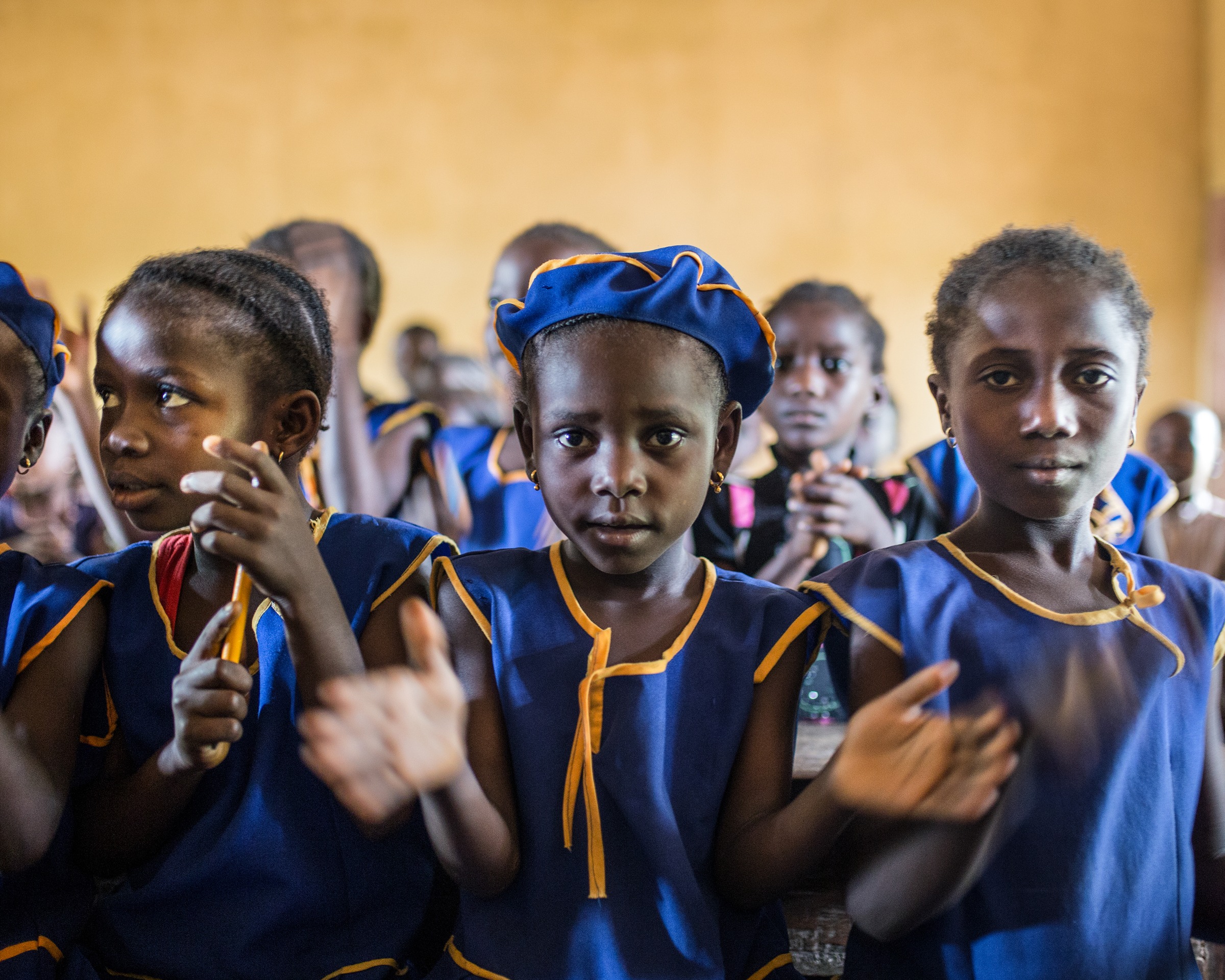
A classroom in the Boma area — one of the eight villages the Foundation supports.
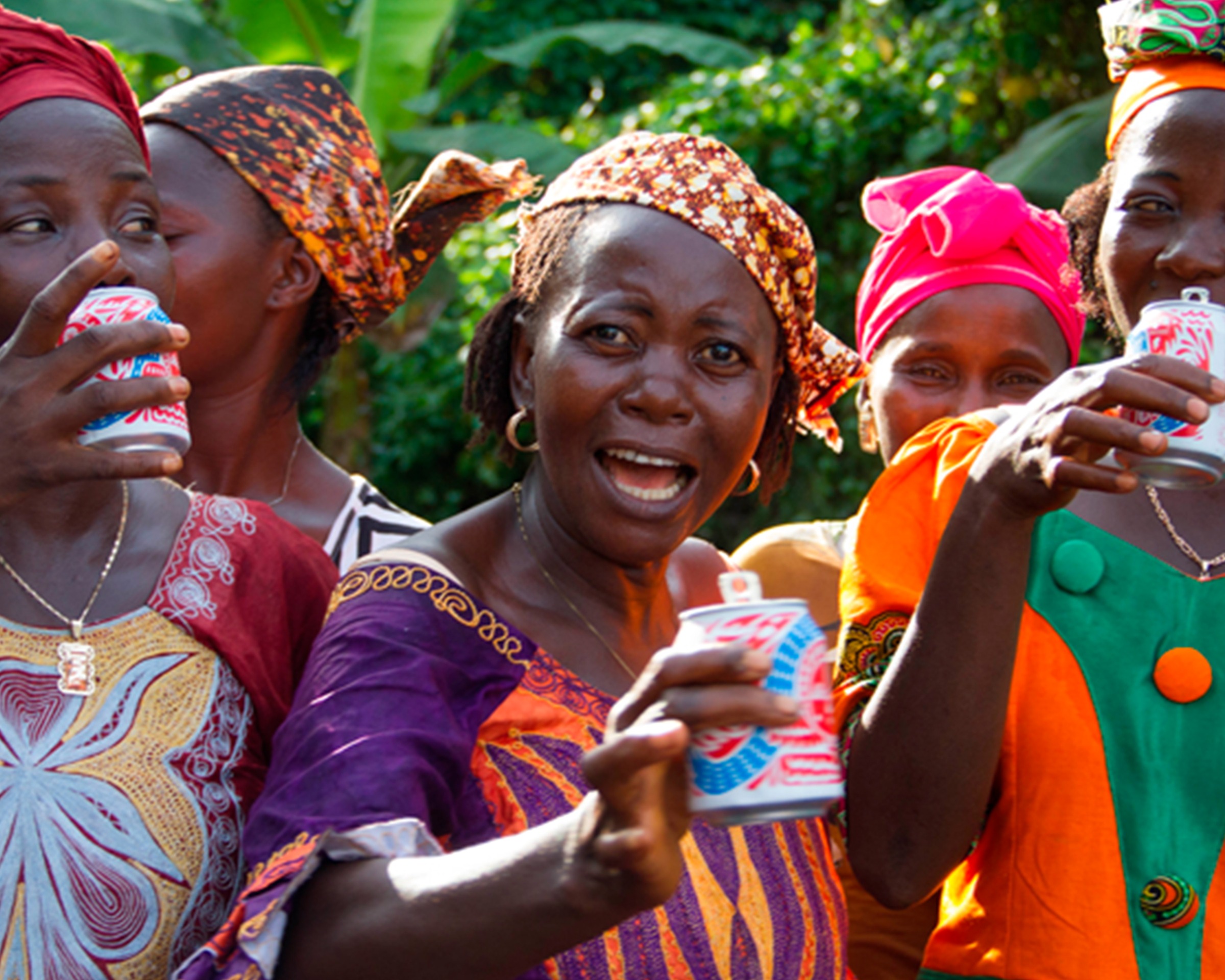
Women in Boma, drinking the cola their kola makes.
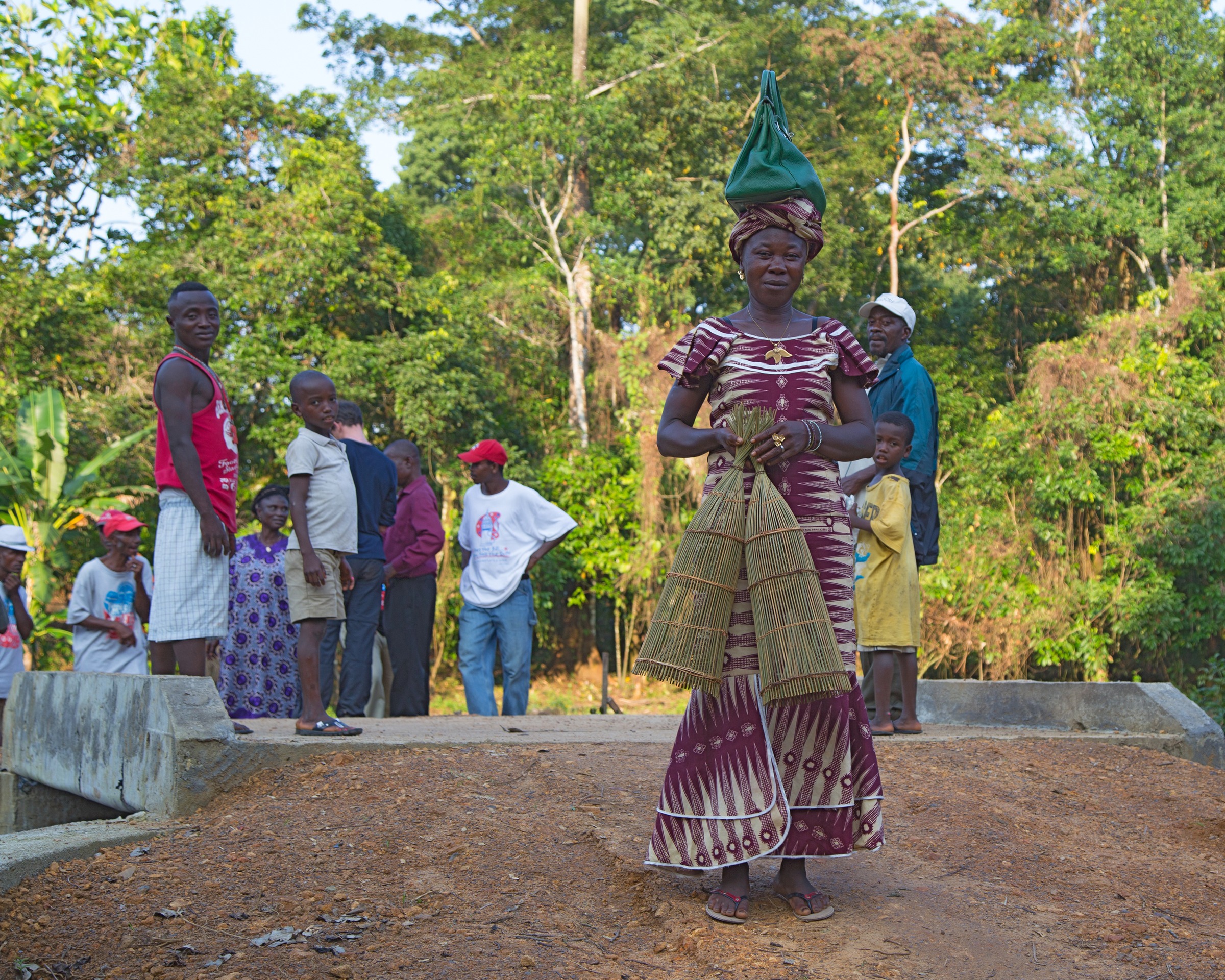
The bridge over the Makennah River, built with funds from the sale of Karma Drinks.
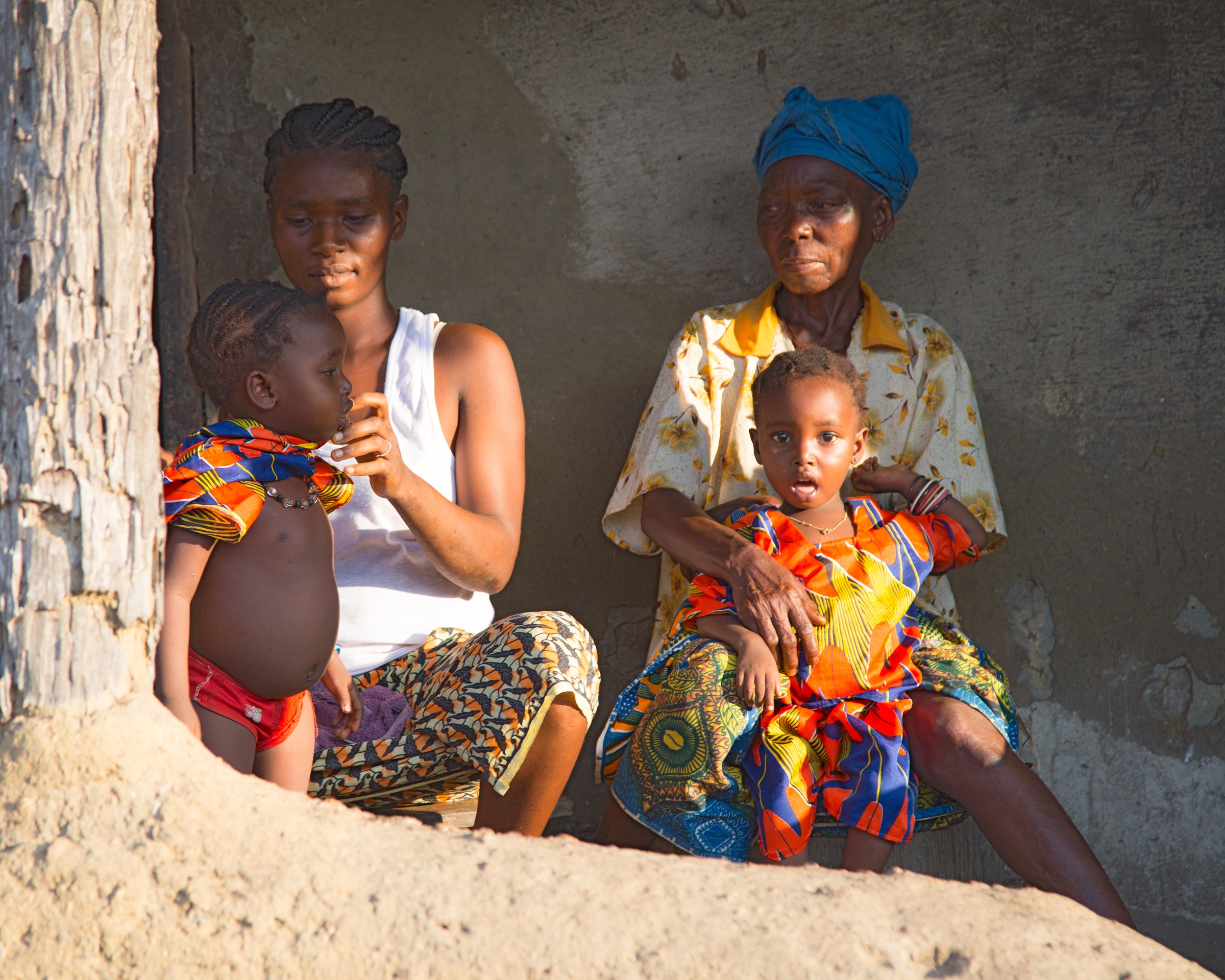
A family at home, in one of the eight villages.
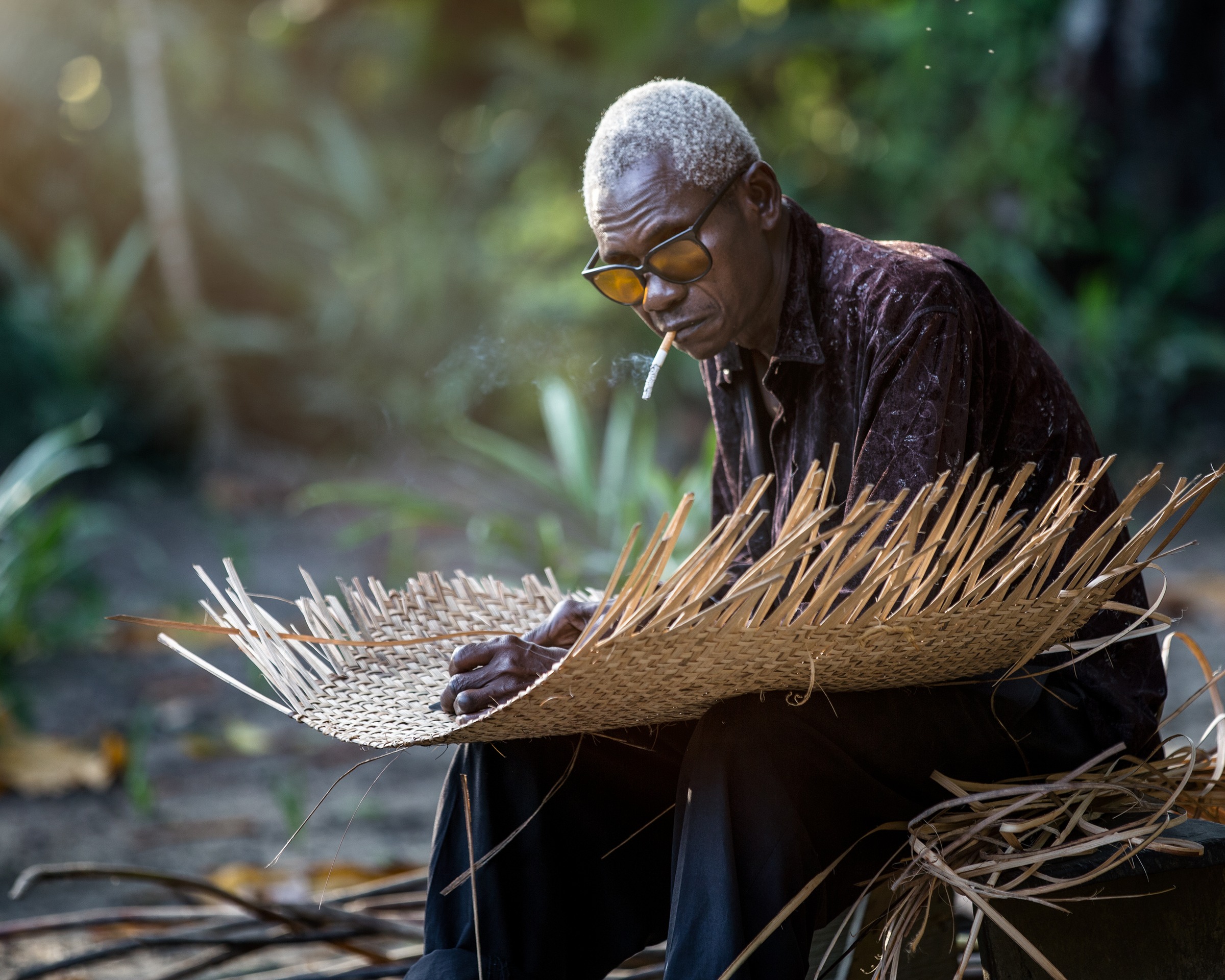
The blind weaver of Boma. His skills benefit the whole village.
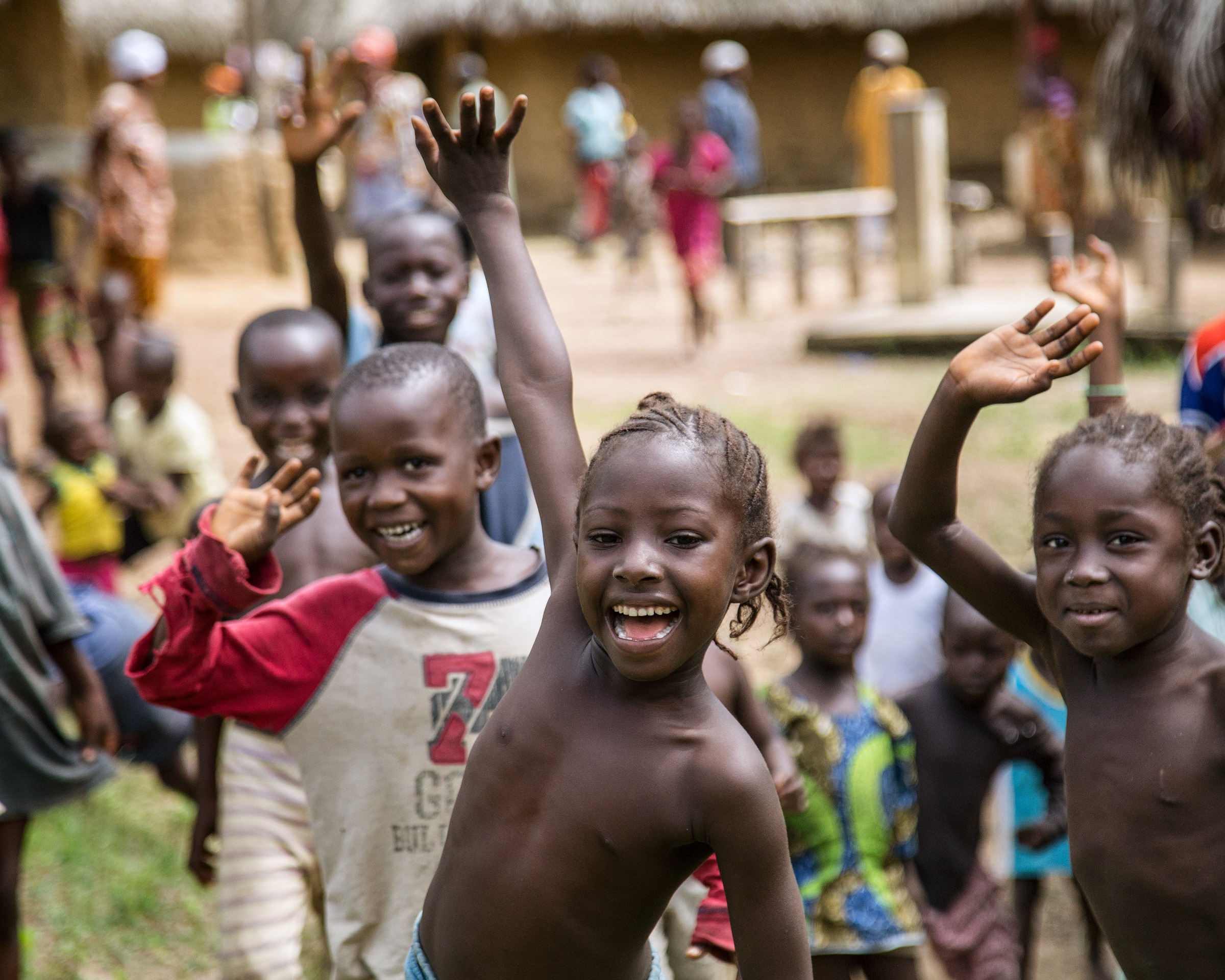
Boma. The welcoming party.
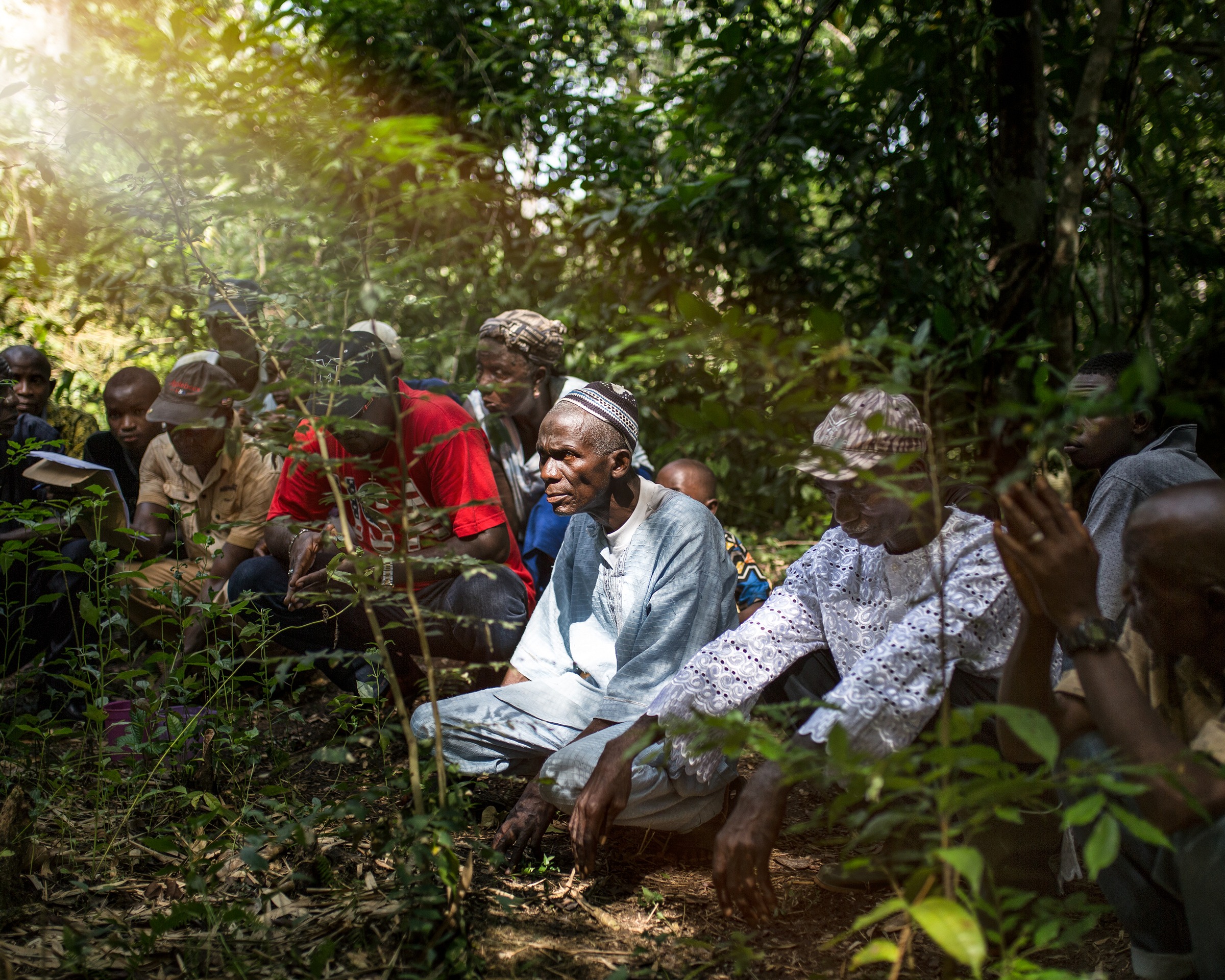
The village storyteller, relaying a strange request for kola nut from a country called New Zealand.